
Fibro Friendly Exercises
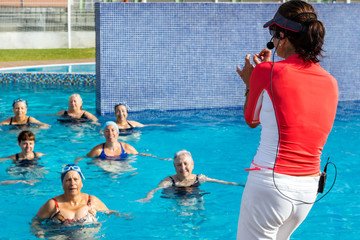
Exercise can cause your fibromyalgia symptoms to flare. The key to staying fit is to find fibro-friendly exercises that you enjoy and to not push yourself. In fact, frequent rest breaks are helpful for toning down movement-related pain. The point is, don’t overdo it because this will only set you back.
Exercise is touted as being helpful for relieving fibromyalgia symptoms, the benefits are delayed. Kim D. Jones, Ph.D., FNP, a fibromyalgia researcher at Emory in Atlanta, comments: “Physical function will improve before symptom improvements.”1 So focus your attention on the functional benefits of a fibro-friendly exercise program. Examples include rising from a chair easier, standing longer, or walking further.
In healthy people, exercise activates a potent pain-relieving system to give people that runner’s high. But this system doesn’t work as well in fibromyalgia patients. In addition, both your heart rate and muscle blood flow responses are sluggish.2 When exercising muscles don’t get enough oxygen-rich blood, they start to hurt.
Pros & Cons
| Warm Water Therapy Pros: Easier on fibro than land-based aerobics Cons: Finding a pool, cost, inconvenience |
| Land Aerobics Pros: Walking is easy, cheap Cons: May get boring, can increase muscle/joint pain |
| Dance Pros: Music is soothing, can be done in short bouts Cons: May be hard on joints, potential to fall |
| Isometric Strengthening Pros: Doesn't gobble up energy, convenient , free Cons: Post-exercise muscle soreness, boring |
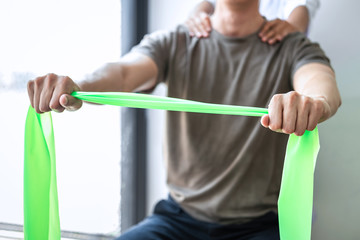
| Resistance Strengthening Pros: Convenient, inexpensive Cons: Post-exercise muscle soreness, boring |
| Yoga* Pros:Reduces pain, fibrofog & sleep disruption Cons: Finding instructor, video geared for your needs |
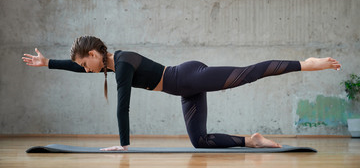
| Pilates* Pros: Strengthens core muscles, good for back pain Cons: Same as those for yoga |
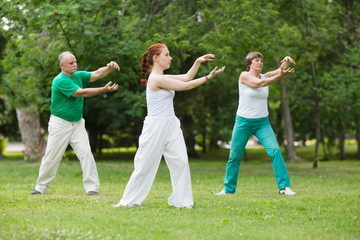
| Tai Chi* Pros: Strengthens muscles, good for balance Cons: Same as those for yoga |
| * Incorporates deep breathing to help relax the muscles as you move to minimize pain for people with fibromyalgia due to thier chronically tight, knotted muscles. The benefits of all three forms of movement (Yoga, Pilates and Tai Chi) increase with continued practice |
Points to Consider
Doctors often tell their fibromyalgia patients that the best treatment for reducing their symptoms is exercise. Ironically, when fibromyalgia patients are instructed to exercise, most do not improve and some get worse.3 This mismatch between expectations and real-world experiences occurs because the exercise programs are too aggressive. It’s best to start low, go slow, and add TENS therapy – learn more.
While it’s tempting to avoid the pain of exercise, this is not an option. Your muscles need some mild exercise or daily movements will through you into a fibromyalgia flare up. For a better understanding of what goes wrong when you overexert yourself, read Exercise Difficulties in Fibromyalgia.
If your muscles are stiff and achy all the time, it makes exercise more difficult. Learn why your muscles feel tight and what you can do to minimize this symptom. This will help you start a fitness program.
Given all the apparent obstacles to exercising, you may be asking: why bother? Brain imaging studies show that exercise can lead to improvements in the way the central nervous system controls pain. Curious about how the brain does this or how your body compares to “couch potatoes” who don’t exercise? Read more.
Exercise does not have to be boring. You have a variety of options to choose from (see the box on Exercise Pros & Cons). Try stretching each morning and doing at least 10 minutes per day of aerobics (more if you tolerate it). Also strengthening your muscles 2-3 times per week. To help you decide what types of exercise are best suited for you, read our article: Ideas for Getting it in Gear.
Stretching
Most fibromyalgia patients wake up in the morning feeling as though rigor mortis set in while they were asleep. Heat helps loosen up the muscles, but you will also need to do gentle stretching after you have moved around for 30 minutes. In fact, if you sit at a job for prolonged periods of time, your muscles may set up again, just like gelatin in a refrigerator. Although it may not be feasible to take a warm shower, apply a hot wrap to the neck and shoulder area, then move around.
If you have hypermobile joints, be extra careful to avoid overstretching. Also, heat plus gentle stretching will help reduce the impact of myofascial trigger points, or MTPs, when you perform any type of exercise. See the section on Muscle Pain Relief for additional strategies to ease these tight, painful knots in your muscles.
Aerobics
Consider starting with a warm water therapy program, especially if your pain levels are high or arthritis restricts movement. The buoyancy of the water makes it easier on your muscles and joints. Plus, the warmth activates pain-soothing sensors in your tissues to ease the discomfort and improve blood flow to the muscles. Once you have made progress, you might move to land-based activities.
If you don’t have access to a warm water therapy pool, take a warm bath or shower before you exercise to help dull the potentially painful impact. Heat wraps and soothing ointments can be used afterwards, as mentioned in the section on Nondrug Treatments. Walk at a pace that you can still carry on a conversation. Explore aerobic activities that you enjoy and go at a comfortable self-pace.
Fibro friendly exercises at your preferred pace rather than an intense pace are less likely to exacerbate your symptoms. In fact, studies show that patients are more likely to stick with regimens involving a light to moderate level of exertion and they still receive the benefits of the program. So, if you are tempted to overdo it on good days, don’t!
Dance
Whether you take a Zumba class or just dance around your house, moving to music can be more enjoyable than a regimented exercise program. Treadmills and stair-climbing machines may get boring, and the ability to go for a walk depends on the weather (unless you can go to a nearby indoor mall and avoid the food).

Research shows that music can be soothing for people with fibromyalgia (improving outlook and reducing pain), so why not combine it with dance aerobics? 4 Of course, there are several precautions: limit jumping or bouncing, twirling, and fast jerking movements. Make sure your shoes have good tread to avoid slipping and focus on a spot on the wall so you don’t get dizzy. If you keep your knees slightly bent, shoulders stacked over your hips, and arms out to your sides, it will help with balance and minimize the risk of falling.
Being stationary for more than 60 minutes aggravates the symptoms of fibromyalgia, but prolonged exercise can also make you feel worse. Incorporating short bouts of fibro friendly dance or simple exercises to music throughout your day can help with circulation and prevent the gelling effect in the muscles. It doesn’t require getting in a car to go to a gym and it is free. And after a while, your level of fitness (and hopefully your symptoms) will improve.
Isometric Strengthening
Keeping up your strength is important, but not if it drains you of energy. Isometrics involve pressing against a stationary object (or you can use your arms and legs as resistance) for six seconds while breathing to make sure your muscles have oxygen. It does not consume lots of energy, but a 10-minute-a-day program can keep your muscles toned. For illustrations on simple exercises to keep your arms and upper body in shape, read more. For a similar routine that can tone your legs while sitting in a chair, read more.
Resistance Strengthening
Instead of pressing against a stationary object, you can also use elastic strips (brand name is Theraband). They allow you to tone muscles without heavy lifting. Start with the easier-to-stretch bands (yellow or red) and work up to bands that are more resistant to stretching. You can purchase the bands inexpensively on the internet and some have pre-made loops in them for easier use.
Dr. Jones recommends that you minimize movements that require a muscle to be elongated (stretched out) while simultaneously contracting it. This is hard on muscles and will likely cause them to hurt. To avoid these demanding types of movement, exercise with your limbs closer to your trunk and don’t do activities with your arms above your head.

Yoga
Gentle stretching movements while focusing on rhythmic breathing can help loosen muscles, improve physical function, ease stiffness, and reduce pain. It is important to find a restorative type of yoga class (or video) with a teacher who will offer ways to accommodate your specific needs or limitations. In fact, a class for people with health impairments (or one that focuses on back or neck pain) might be ideal.
The muscles in fibromyalgia are wound tight, but the deep breathing exercises taught in yoga will help relax them. The breathing makes movement easier and requires less energy (i.e., you are not working against stiff muscles). Part of the stretching in yoga is passive because it uses the force of gravity to loosen muscles. Active stretching and strengthening occurs too, but it should always be gentle.
Pilates
The focus of Pilates is muscle toning and flexibility, and it is a low impact form of exercise. Almost all fibromyalgia patients have back pain, and Pilate exercises will help you strengthen sore (and often weak) back muscles. “Pilates focuses on all muscles that attach to the spine and this may be part of why pain in this area is reduced,” says Jones.
Although Pilates is great for strengthening your core muscles in your trunk and the muscles in your extremities, it won’t make you aerobically fit. You need to do other exercises to improve endurance. However, don’t be surprised if Pilates does lead to better sleep because it is a mindful, relaxation breathing form of movement. In addition, it should help with your balance and reduce your risk of falling. Start with a Pilates class or video geared for people with back pain.
Tai Chi
This movement form is coordinated with deep breathing and relaxation. As with yoga and Pilates, tai chi tones muscle, improves balance and endurance. You should avoid kicks and aggressive movements that may overstretch your muscles. Stay on two feet until you gain confidence and avoid holding poses for long periods until your muscles get stronger. Otherwise, muscle soreness might set you back. As with yoga, you should start with a class or video in which the instructor offers ways to accommodate your limitations.
Get free treatment help delivered to your inbox when you join AFSA. We interview the experts and compile patient-friendly articles. All we need is your name and email.
Symptoms | Medications | Alternative Therapies | Muscle Pain Relief | Managing Fibro Pain
References for Fibro Friendly Exercises
-
- St John AW, Jones KD, at al. The Nurse Practitioner J, 47(4):20-30, 2022.
Fibromyalgia: A Clinical Update – this is an excellent article and it’s available for free.
Click here and then click on the “download” button on the left-hand side. - Villafaina S, at al. Biomedicines 11(1):132, 2023. Free Report
- Dailey DL, Sluka KA, et al. JAMA Network Open 9(3):e262450, 2026. Free Report
- Usui C, et al. Pain Medicine 21(8):1546-1552, 2020. Free Report
- St John AW, Jones KD, at al. The Nurse Practitioner J, 47(4):20-30, 2022.
Suggestions and Resources
Post Exercise Preparedness
Whether it’s tai chi, yoga, water aerobics, or a walking program, simple fibro friendly exercises can improve your physical health and reduce stress. Before you start, here are some tips in advance to ease any soreness that may follow any new activity:
- Drink lots of water to clear the lactic acid from your system.
- Use moist heat, such as a shower or hot tub, to reduce muscle soreness. Heat wraps or heat pads are also helpful.
- Breathe to expand the chest muscles and relax your body.
- Get 30 to 60 minutes per night of extra rest when starting a program.
- Professional massage, self-massage, or self-acupressure can be helpful.
Warm Water Aerobics
Search the internet for “indoor warm water therapy class near me.” Look for pools maintained by the YMCA, Parks and Recreation, universities, hospitals, and pain clinics. Ideally, the temperature should be maintained between 83 and 90 degrees.
Before you sign up for a class:
- Find a class time that works well for your energy-wise.
- Enroll as early as you can for classes – they fill quickly and may have wait lists (or consider taking a course in heated pool that is not used strictly for therapy).
- Start with one session per week (or two max) to avoid over-stressing your body.
- Select a beginner’s course or exercises for people with health issues like fibromyalgia.
- Ask instructors if they are flexible and willing to adapt to your needs in class.
Pool comforts and suggestions:
- Water shoes lessen wear and tear on the bottom of your feet.
- A plush robe poolside minimizes shivering.
- Loosen up with a warm shower in the locker room before getting into the pool.
- Stretching before and after hitting the pool helps with muscle stiffness.
- Stay hydrated. As you exercise, you lose fluids. Drink plenty of water before, during, and after workouts.
- Sitting in the hot tub after exercise can soothe your sore muscles.
- Transcutaneous electrical nerve stimulation (e.g., TENS unit) therapy targeting sore muscles may lessen post-exercise pain.
Tai Chi Do’s and Don’ts
Do’s
- Go to tai chi class with a good attitude.
- Tai chi is best learned from an instructor if you can afford it.
- Let the instructor know that you have chronic widespread pain, and that you will need assistance modifying movements. Instructors who are in less demand often have small classes and can give more personal attention.
- Be comfortable with your instructor. She/he should be patient and accommodating. Good tai chi instructors are always learning and should accept your abilities.
- Ask your instructor in advance if he teaches proper breathing (QiGong) to relax your muscles while sitting or standing, so you can use it throughout your day.
- If you assume the proper “horse stance,” you will not injure yourself.
- When you get tired during a class, it is time to stop and rest (listen to your body).
- If you have not exercised for a while, you will be sore initially.
- Allow strength and balance to improve over time.
- Tai chi should be fun.
Don’ts
- Avoid any moves that involve kicks.
- Avoid any aggressive movements, over extensions, deep knee bends, and positions that are not comfortable or your body does not want to go in.
- Until you feel confident, stay on two feet.
- Never, never turn a knee inward.
- Don’t overexert or force yourself (know your limits).
- Don’t be afraid to try.
- Don’t compare yourself to others in the class or what you used to be able to do.
Fibromyalgia Friendly Exercise Videos
In person classes may be helpful initially, but they can be expensive and you may not be able to find a class time that fits your schedule. Check out the YouTube alternatives below for yoga, Pilates, and tai chi. Just skip the ads and don’t get sucked in to subscribing to any video service because there are plenty of free videos.
Yoga
A full series of yoga videos are available by Adriene, many of them made specifically for people with chronic pain. Before diving into doing yoga movements, it’s important to first learn the relaxation breathing that will help relax your muscles as you move.
Yoga Breathing (11 minutes) Practice this technique 4x/day for first week.
Yoga for Neck, Shoulders and Upper Back (10-minute quickie)
Quick Restorative YIN/Gentle Yoga Practice (17 minutes)
Yoga for Hips and Lower Back Release (23 minutes)
Yoga for Lower Back Pain (16 minutes) – Keep knees bent to make it easier.
Wake Up Yoga (11 minutes) You may not stretch as far and keep knees bent.
Pilates
Gentle Fibromyalgia Routine (10 minutes) Taught by a physical therapist Jessica Valant and partially performed while seated.
Below are two videos produced by the National Health Authority/NHS in the UK.
Standing and Chair-Based Pilates (31 minutes)
Pilaties for Chronic Back Pain (29 minutes) Skip neck rolls because they can strain the muscles in the neck and shoulders.
Pilates for Chronic Pain Relief (19 minutes) Says it is suitable for fibromyalgia … but as stated above, skip the neck roll exercise.
Tai chi
Tai Chi Easy for Pain Management (40 minutes) Explains what tai chi is and provides a few gentle movements with mindful breathing. It’s good for learning the basic principles but this video may not be enough for a routine workout.
Veterans Tai Chi for Pain and Stress (90 minutes) Designed by veterans to help veterans and part is demonstrated in a seated position.
Tai Chi for Pain (20 minutes) Most of the movement is done seated.
Morning Tai Chi for Seniors (12 minutes) Simple standing movements to help you get moving in the morning.